
HPV Vaccine in Nepal: Age, Cost, Schedule & Safety
Overview
If you are a woman considering the HPV vaccine in Nepal, you may have questions before deciding whether vaccination is right for you. You may be wondering about the best age to receive it, how many doses are needed, whether you need an HPV test beforehand, or whether the vaccine can still help if you have already been exposed to HPV. Human papillomavirus (HPV) is one of the most common viral infections. In many cases, the immune system clears the infection naturally without causing long-term problems. However, some high-risk HPV infections can persist and cause changes in cervical cells. If these changes are not identified and managed appropriately, they can eventually lead to cervical cancer.
The HPV vaccine is an important tool for preventing these infections. It helps protect against the HPV types most strongly associated with cervical cancer and several other HPV-related diseases. Like most preventive vaccines, it offers the greatest protection when given before exposure to HPV. But previous exposure does not automatically mean that vaccination is no longer useful. The vaccine cannot treat or clear an HPV infection that is already present. However, depending on your circumstances, it may still protect you from HPV types that you have not previously encountered.
For women in Nepal, vaccination often raises practical questions that deserve clear answers. What age is appropriate for vaccination? How many doses are required? Is HPV testing necessary before vaccination? Can you receive the vaccine after testing positive for HPV? What if you have had an abnormal Pap smear? Can the vaccine be given during pregnancy? And where can you receive the HPV vaccine in Nepal? The answers are not always the same for every woman. Your age, vaccination history, previous HPV exposure, and individual medical circumstances can all influence the recommendation. The following information explains the HPV vaccine in Nepal in clear, medically responsible language, including its benefits, limitations, vaccination considerations, and role in cervical cancer prevention. It also helps clarify an important point that is sometimes misunderstood: HPV vaccination and cervical cancer screening are not alternatives to each other. Vaccination helps prevent new HPV infections, while screening helps identify HPV-related cervical changes early.
What is the HPV vaccine?
The HPV vaccine is a preventive vaccine that protects against infection with certain types of human papillomavirus (HPV), including HPV types that can cause cervical cancer and other HPV-related diseases. It works by helping the immune system recognize and protect against targeted HPV types before an infection occurs.
The vaccine is most effective when given before exposure to HPV, which is why vaccination is commonly recommended during adolescence. However, eligibility and vaccination recommendations can vary depending on age, previous vaccination, and individual circumstances. Importantly, the HPV vaccine prevents new HPV infections but does not treat an existing HPV infection or HPV-related disease. It also does not replace recommended cervical cancer screening.
HPV Vaccine Age
The recommended age for HPV vaccination is generally 9–14 years, with vaccination ideally given before exposure to HPV. This age group is the primary target for HPV vaccination because the vaccine provides the greatest preventive benefit when given before infection occurs. In Nepal, the national HPV vaccination program has focused on adolescent girls, including girls in school and eligible out-of-school girls. Older adolescents and adults may also be able to receive the HPV vaccine depending on their age, previous vaccination, health history, and current vaccination recommendations. The vaccine is preventive, so it helps protect against new HPV infections but does not treat an existing HPV infection.
HPV Vaccine Schedule in Nepal
The HPV vaccine schedule depends on when vaccination is started, previous vaccination history, and the person’s health status. For most adolescents, vaccination is recommended before exposure to HPV because this provides the strongest preventive benefit.
For Nepal’s current routine program:
Target group: Grade 6 girls and eligible out-of-school girls aged 10 years
Routine schedule: A single HPV vaccine dose
Already received a dose: Do not restart vaccination without medical advice
Previous vaccination outside the national program: Bring your vaccination record so the healthcare provider can determine whether another dose is appropriate
Older adolescents or adults: The appropriate schedule may differ from the routine Nepal program.
Immunocompromised individuals: May require a different vaccination schedule based on clinical guidance
HPV Vaccine Cost in Nepal
The cost of the HPV vaccine in Nepal varies depending on where you receive it and whether you are eligible for vaccination through the government program. For eligible children, HPV vaccination may be available through Nepal’s national immunization program. If you choose to have the vaccine at a private hospital or clinic, you will generally need to pay for the vaccination.
Private vaccination costs can differ between healthcare facilities. The total amount may depend on the vaccine available, your recommended number of doses, and any consultation or vaccination charges. Because prices and vaccine availability can change, it is best to confirm the current cost with the clinic before your appointment. If you are unsure whether you or your child should receive the vaccine privately or through the national program, a healthcare professional can review your age, previous vaccination history, and eligibility and guide you on the appropriate option.
Before Getting the HPV Vaccine
Before booking your vaccination, it is useful to confirm:
Current vaccine price
Number of doses recommended
Vaccine available at the clinic
Whether consultation or administration fees are included
Current vaccine availability
HPV Vaccine Safety
The HPV vaccine is considered safe for most people, and it has been studied extensively in clinical trials and monitored after its introduction. The vaccine is designed to prevent new HPV infections before they can lead to HPV-related diseases, including cervical cancer. It does not contain live HPV and cannot give you an HPV infection.
Most people do not experience serious problems after vaccination. You may have pain, redness, or swelling in the arm, and some people develop a mild headache, tiredness, fever, nausea, or muscle aches. These reactions usually improve within a short time and are generally much less concerning than the health problems HPV vaccination is intended to prevent.
One thing parents should know is that teenagers can occasionally feel dizzy or faint after receiving an injection. This does not necessarily mean they have reacted badly to the HPV vaccine. Having the vaccination while seated and remaining under observation for a short period afterward can help prevent an injury if fainting occurs.
When should you talk to a doctor before vaccination
HPV vaccination is not automatically appropriate for everyone at every moment. Tell the healthcare professional if you or your child:
Has previously had a severe allergic reaction to an HPV vaccine or one of its ingredients.
Is currently pregnant. HPV vaccination is generally postponed during pregnancy.
Has a significant illness or is currently unwell.
Has a condition or treatment that affects the immune system.
Has already received one or more HPV vaccine doses, and you are unsure whether another dose is needed.
Does the HPV vaccine affect fertility
This is an important concern for many parents, particularly when vaccination is being considered for a young girl. Current evidence has not established that HPV vaccination causes infertility or damages future reproductive ability. Preventing HPV-related cervical disease can actually be an important part of protecting long-term reproductive health.
What about serious side effects
Serious reactions are very uncommon. A severe allergic reaction can occur after any vaccine, which is why vaccination should be provided in an appropriate healthcare setting and the person should be observed afterward.
If someone develops difficulty breathing, swelling of the face or throat, widespread hives, or another rapidly developing severe reaction after vaccination, they should receive urgent medical attention.
Important thing to understand
A vaccine being described as “safe” does not mean that it has zero side effects. A trustworthy explanation should distinguish between the mild reactions that can occur after vaccination and the rare serious reactions that require medical attention. For most eligible people, the potential benefit of preventing HPV infection and HPV-related disease substantially outweighs the risk of these uncommon complications.
For patients in Nepal, the safest approach is to receive the vaccine through an authorized vaccination service and discuss your age, previous doses, allergies, pregnancy status, and relevant medical history with the healthcare professional before vaccination.
HPV Vaccine Side Effects
For women considering the HPV vaccine, it is natural to want to know what they may feel after vaccination and whether there are any long-term concerns. The HPV vaccine is generally well tolerated, and most side effects are mild and temporary. The most common reaction is discomfort in the arm where the vaccine is given, which may include soreness, redness, or mild swelling.
Some women may also experience headache, tiredness, mild fever, nausea, muscle aches, or joint pain after vaccination. These symptoms usually settle on their own. Feeling dizzy or faint can also occur around the time of vaccination, particularly with injections, so resting for a short period after receiving the vaccine is sensible.
What Women May Experience After the HPV Vaccine
Injection-site pain: Your arm may feel sore or tender for a day or two.
Redness or swelling: Mild swelling around the injection site can occur.
Headache or tiredness: Some women may feel temporarily fatigued or develop a headache.
Mild fever: A low-grade fever can occur after vaccination.
Muscle or joint discomfort: Temporary aches are possible.
Nausea or dizziness: Some women may experience mild nausea or dizziness.
Fainting: A brief fainting episode can occasionally occur after an injection and is not necessarily a reaction specific to the HPV vaccine.
Does the HPV Vaccine Affect Fertility
This is an especially important question for women who are planning pregnancy or may want children in the future. Current evidence does not show that HPV vaccination causes infertility or reduces a woman's ability to become pregnant. The vaccine is intended to prevent new HPV infections; it does not damage the ovaries or reproductive organs.
Women who are undergoing fertility evaluation or planning pregnancy should still discuss vaccination timing with their healthcare provider, particularly if pregnancy is already possible or planned.
What If You Are Already Sexually Active
Being sexually active does not automatically mean that the HPV vaccine is no longer useful. A woman may have been exposed to one HPV type without having been exposed to all of the types covered by the vaccine. However, the vaccine does not clear an HPV infection that is already present. Whether vaccination is likely to provide meaningful benefit depends on factors such as age, previous vaccination, HPV history, and individual circumstances.
When Should You Seek Medical Attention
Most vaccine reactions are mild. However, difficulty breathing, swelling of the face or throat, widespread hives, severe weakness, or collapse can indicate a serious allergic reaction and require urgent medical attention.
Before vaccination, tell your healthcare professional about any previous severe allergic reaction to an HPV vaccine or its ingredients, pregnancy, significant medical conditions, or medicines that may affect your immune system.
One Important Point for Every Woman
The HPV vaccine is preventive, not a treatment. It can reduce the risk of new infection with the HPV types covered by the vaccine, but it does not eliminate an HPV infection that is already present. It also does not replace recommended cervical cancer screening, even after vaccination.
For women, the most useful way to think about HPV vaccination is not simply “Is the vaccine safe?” but “Is it appropriate for me, given my age, vaccination history, HPV exposure, pregnancy plans, and health history?” That is where an individual discussion with a qualified healthcare professional becomes important.
HPV Vaccine Effectiveness
The HPV vaccine is highly effective at preventing infection with the HPV types it targets, particularly when vaccination is given before exposure to the virus. By preventing these infections, vaccination can substantially reduce the risk of HPV-related cervical precancer and cervical cancer.
For women who have already been exposed to HPV, the vaccine works differently. It does not treat, remove, or cure an existing HPV infection. However, previous exposure to one HPV type does not necessarily mean exposure to every type covered by the vaccine, so vaccination may still offer protection against other vaccine-targeted types. The effectiveness of vaccination also depends on when vaccination is given, previous HPV exposure, the vaccine used, and whether the recommended vaccination schedule is followed. This is why vaccination at the recommended age, preferably before HPV exposure, provides the greatest preventive benefit.
What women should remember
Before HPV exposure: Protection is strongest.
After HPV exposure: The vaccine does not treat an existing infection but may protect against other HPV types.
After vaccination: HPV infection is still possible because vaccines do not cover every HPV type.
Cervical screening: Vaccination does not replace recommended cervical cancer screening.
Long-term protection: HPV vaccination is an important part of preventing cervical cancer and other HPV-related diseases.
HPV Vaccine & Cervical Cancer
The HPV vaccine helps prevent cervical cancer by protecting against the types of human papillomavirus (HPV) that are responsible for most cervical cancers. Persistent infection with certain high-risk HPV types can cause abnormal changes in cervical cells, which may gradually progress to precancer and, if untreated, cervical cancer.
Vaccination works before this process begins by preventing new infections with vaccine-targeted HPV types. This is why HPV vaccination provides its greatest benefit when given before exposure to HPV. For women who have already had HPV, the vaccine does not treat or clear an existing infection. However, vaccination may still protect against other HPV types covered by the vaccine that the woman has not previously encountered.
How HPV vaccination helps prevent cervical cancer
Prevents new infection: Protects against targeted high-risk HPV types.
Reduces cervical precancer: By preventing HPV infections that can cause abnormal cervical cell changes.
Reduces future cervical cancer risk: Preventing persistent high-risk HPV infection lowers the likelihood of developing cervical cancer.
Works best before HPV exposure: Protection is strongest when vaccination occurs before infection.
Does not treat existing HPV: The vaccine cannot remove an HPV infection or reverse existing cervical abnormalities.
HPV Vaccine After HPV Infection
If you have already had an HPV infection, you may wonder whether the HPV vaccine after HPV infection can still be useful. From a medical perspective, previous HPV infection does not automatically mean that vaccination has no value. HPV has many different types, and being infected with one type does not necessarily mean you have been exposed to all the types covered by the vaccine. The HPV vaccine cannot treat or clear an existing HPV infection, but it may help protect against other vaccine-covered HPV types that you have not previously acquired.
HPV Vaccine After HPV Infection: What You Should Know
Having HPV does not mean that the HPV vaccine is no longer useful. You may still benefit from protection against HPV types you have not previously encountered.
The vaccine will not remove the HPV infection you already have. It is intended to help prevent new HPV infections.
If you have tested positive for HPV, you should continue with the cervical screening or follow-up recommended by your healthcare professional.
If your Pap smear is abnormal, the abnormal result still needs appropriate medical evaluation. The vaccine does not treat changes that have already developed in the cervix.
Even after HPV vaccination, cervical cancer screening remains an important part of your preventive care.
Whether vaccination is appropriate for you depends on factors such as your age, previous HPV vaccination, HPV history, and individual health circumstances.
HPV Vaccine During Pregnancy
If you are pregnant, you may wonder whether you should receive the HPV vaccine during pregnancy. In general, HPV vaccination is recommended to be postponed until after pregnancy. This is mainly because vaccination is not routinely given during pregnancy, not because the vaccine is known to cause harm to the developing baby. If you have not started the vaccine before becoming pregnant, you can usually wait and discuss vaccination after delivery.
If you received an HPV vaccine and then discovered that you were pregnant, there is no need to panic. Inform your healthcare professional so your vaccination record can be reviewed. Any remaining doses can usually be completed after pregnancy, and the vaccination series does not normally need to be restarted simply because pregnancy occurred.
What Women Should Know
If you are currently pregnant: Wait until after pregnancy to receive the HPV vaccine unless your healthcare professional advises otherwise.
If you received a dose before knowing you were pregnant: Do not assume that the pregnancy is at risk. Inform your doctor and continue your normal antenatal care.
If you started the vaccine series before pregnancy: You generally do not need to start the series again. The remaining dose or doses can be given after pregnancy when appropriate.
If you are planning pregnancy: If you have not completed HPV vaccination, discuss the timing with your healthcare professional rather than delaying pregnancy unnecessarily just to complete the vaccine.
After delivery: You can discuss starting or completing HPV vaccination with your healthcare professional. HPV vaccination can generally be given while breastfeeding.
If you already have HPV: The vaccine does not treat or clear an existing HPV infection. Any HPV-positive result, abnormal Pap smear, or recommended cervical screening follow-up should continue as advised.
If you are unsure about your vaccination history: Take your previous vaccination record to your healthcare professional. They can determine whether you need another dose and when it should be given.
HPV Vaccine Kathmandu
If you are searching for the HPV vaccine in Kathmandu, it is natural to start by asking where you can get it. But for most women, the more important question is whether the vaccine is right for them and when it would be most appropriate. Your age, previous HPV vaccination, past HPV infection, cervical screening history, pregnancy status, and plans for future pregnancy can all affect the advice a healthcare professional gives you.
If you have already tested positive for HPV, that does not automatically mean vaccination is no longer useful. The vaccine cannot treat the HPV infection you already have, but it may help protect you against other HPV types covered by the vaccine that you have not previously encountered. Similarly, if you have had an abnormal Pap smear, the result still needs proper medical follow-up. HPV vaccination and cervical screening have different roles and should not be treated as alternatives.
Before Getting the HPV Vaccine
A short discussion with a healthcare professional can help you understand whether vaccination is appropriate for you. You may want to share:
Your age and previous HPV vaccination history
Whether you have ever tested positive for HPV
Any previous Pap smear or cervical screening results
Whether you are currently pregnant or planning a pregnancy
Any history of a serious reaction to a vaccine
Any medical condition or treatment that may affect your vaccination
There is also no need to feel uncomfortable talking about HPV. HPV is common, and asking questions about vaccination is simply part of taking care of your health. A good consultation should leave you understanding why vaccination is being recommended, what it can protect you from, and what it cannot do.
HPV Vaccination at MAYA IVF Clinic
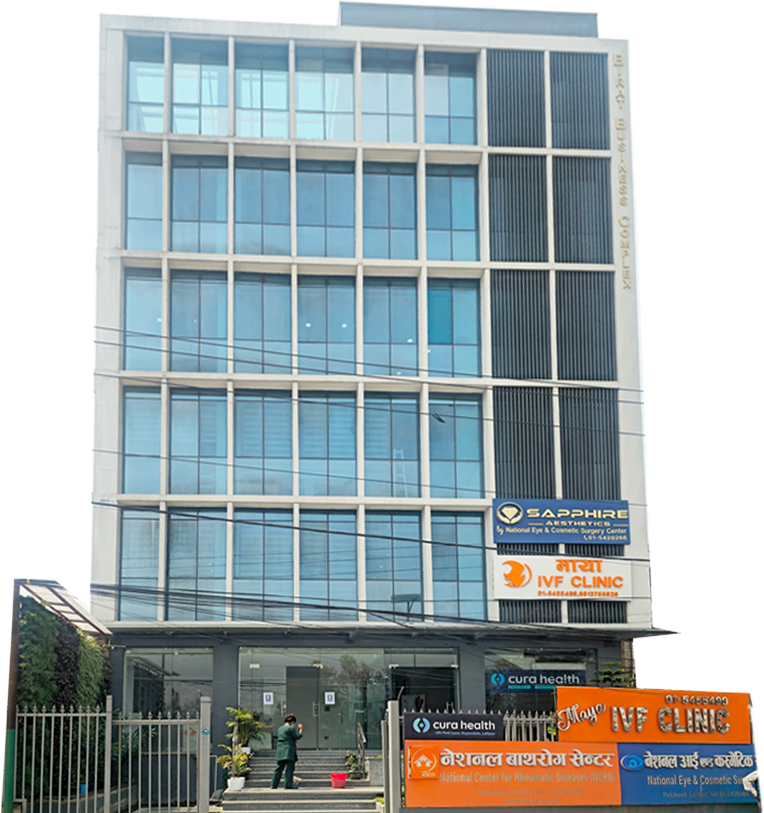
For women looking for HPV vaccination in Kathmandu, MAYA IVF Clinic offers reproductive and women's health services in a setting where questions about fertility, pregnancy planning, and preventive care can be discussed with healthcare professionals. The clinic is located at BBC Building, UN Park, Kupandole, Kathmandu.
For a woman who is planning pregnancy or already receiving fertility care, having these conversations in the same healthcare setting can be helpful. You can discuss your HPV vaccination history alongside questions about pregnancy planning, cervical health, and your broader reproductive health rather than treating vaccination as an isolated decision. However, vaccine availability, eligibility, schedule, and cost can change. If you are planning to visit MAYA IVF Clinic specifically for HPV vaccination, confirm these details with the clinic before your appointment.
Simple Step for Women
If you are considering the HPV vaccine in Kathmandu, take any previous vaccination records and relevant cervical screening reports with you. Let your doctor know if you have had HPV, an abnormal Pap smear, are pregnant, or are planning a pregnancy. You do not need to have all the answers before your appointment. The purpose of a consultation is to understand your situation and decide what is appropriate for you.
The goal of HPV vaccination is prevention. The goal of screening is early detection. When both are used appropriately, they form an important part of protecting women from HPV-related cervical disease.
Frequently Asked Question (HPV Vaccine FAQs)
1. Can I get the HPV vaccine if I have already had HPV?
Yes, you may still be able to benefit from the HPV vaccine. Having HPV does not mean you have been exposed to every HPV type covered by the vaccine. The vaccine cannot clear or treat the HPV infection you already have, but it may protect you against other HPV types. Your doctor can consider your age, previous vaccination, and HPV history when advising you.
2. Do I need an HPV test before getting the HPV vaccine?
No, an HPV test is not routinely required before vaccination. The vaccine is not given based on whether an HPV test is positive or negative. Your age, previous vaccination history, and individual circumstances are more relevant when deciding whether vaccination is appropriate. If you already have an HPV-positive result or an abnormal Pap smear, however, you should still follow the recommended medical evaluation.
3. Does the HPV vaccine affect fertility?
No. Current evidence does not show that HPV vaccination causes infertility or reduces a woman's ability to become pregnant. This is an important concern for women who are planning a family or receiving fertility care. If you have specific concerns about vaccination and pregnancy, discussing them with your doctor can help you make a decision with confidence.
4. Can I get the HPV vaccine if I am planning pregnancy?
Yes, you can discuss HPV vaccination before pregnancy, but the timing matters. HPV vaccination is generally postponed during pregnancy. If you are planning to become pregnant, your doctor can review your vaccination history and help determine whether it is better to receive the vaccine before pregnancy or complete any remaining doses afterward.
5. Do I still need cervical screening after HPV vaccination?
Yes. HPV vaccination does not replace cervical screening. The vaccine protects against important HPV types but does not prevent every HPV infection that can cause cervical cancer. Screening helps detect HPV infection or cervical cell changes early, when appropriate follow-up can make a significant difference. Even vaccinated women should follow the cervical screening recommendations appropriate for their age and circumstances.
6. Does an HPV-positive result mean I have cervical cancer?
No. An HPV-positive result does not mean that you have cervical cancer. HPV infection is common, and many infections clear naturally without causing serious disease. The concern is when certain high-risk HPV infections persist and cause changes in cervical cells over time. This is why an HPV-positive result should be followed according to your healthcare professional's advice rather than interpreted as a cancer diagnosis.
Our Latest Blogs

Infertility Myths and Facts in Nepal: What Couples...
Quick AnswerInfertility affects an estimated 1 in 6 people globally during their reproductive years,...
How Is ICSI Different From Conventional IVF Treatm...
OverviewConventional IVF places sperm and eggs together in a dish and allows fertilization to happen...
5 Common Causes of Infertility in Women
OverviewWhen months pass without a positive pregnancy test, worry tends to creep in quietly. If that...
 Nepal International Fertility and Laparoscopic Centre (NIFLC).
All rights reserved.