
woman's ovarian reserve, egg count, and AMH test for fertility evaluation.
Blog Details
- Home
- Blog Details
Low Ovarian Reserve: Symptoms, Causes & Fertility Solutions
Hearing the words “low ovarian reserve” from your doctor can feel overwhelming. It’s normal to feel scared, confused, or even heartbroken. Many women immediately wonder if it’s their fault or if it means they won’t be able to have a baby. If this resonates with you, know that you are not alone. A diagnosis of low ovarian reserve is more common than many people realize, and it does not mean the end of your journey to parenthood. Low ovarian reserve means that your ovaries may have fewer eggs than expected for your age or that egg quality could be lower. While this can make conception more challenging, it does not close the door to having your own child. What it does mean is that a thoughtful, tailored approach to fertility can make a significant difference. Some options and strategies can help you make the most of your unique situation. Understanding your body and what this diagnosis really means is the first step. Some women notice subtle signs, such as irregular periods or difficulty conceiving, while others may not notice anything at all. Factors like age, genetics, and lifestyle can all influence ovarian reserve, and being informed about them empowers you to take proactive steps.
If you're experiencing difficulty conceiving or have concerns about your fertility, understanding the broader causes of infertility and available treatment options can help you make informed decisions. Learn more about infertility diagnosis, treatment approaches, and IVF success factors in our comprehensive guide to infertility and IVF.
This guide will help you navigate low ovarian reserve with confidence. You’ll learn what the condition means, the signs to watch for, the fertility treatments available, and how to make a plan that works for you. The goal is to give you clear, compassionate guidance so you feel supported and hopeful. Low ovarian reserve is not the end of the story. With the right approach, it can be the beginning of a more informed and empowered path to building your family.
Understanding Your Ovarian Reserve
What is ovarian reserve, and why does it matter
Ovarian reserve is the total number and quality of eggs a woman has in her ovaries at a given time. It reflects her reproductive potential, as a higher ovarian reserve usually means a better chance of conceiving, while a lower reserve can make pregnancy more challenging. Ovarian reserve naturally declines with age, and knowing it helps doctors assess fertility, guide family planning, and choose the most effective treatments for those trying to conceive.
How many eggs should a woman have at different ages?
Women are born with all the eggs they will ever have, and the number naturally declines as they age. Age is the strongest predictor of egg supply, and research shows that the rate of egg loss accelerates after 35. While the exact numbers vary for each woman, on average:
At birth: 1 to 2 million eggs
At puberty: 300,000 to 400,000 eggs
By age 40: around 25,000 eggs
At menopause: fewer than 1,000 eggs
It’s important to remember that these are averages, and every woman’s ovarian reserve is unique. Only a healthcare provider can assess your individual egg count through specific ovarian reserve tests and help you understand what it means for your fertility.
Can I get pregnant with low ovarian reserve?
Yes, you can still get pregnant even if you have low ovarian reserve. It may make conception a bit more challenging, but it doesn’t mean it’s impossible. Low ovarian reserve simply means your ovaries have fewer eggs or that the eggs may be a little lower in quality than expected for your age. Many women in this situation go on to have healthy pregnancies, especially when they take proactive steps and work closely with a fertility specialist. There are treatments like IVF or egg freezing that can help make the most of the eggs you have. Simple lifestyle choices, like managing stress, eating well, and avoiding smoking, can also support your fertility. The most important thing is to know your body and work with your doctor to create a plan that’s tailored to you. A diagnosis of low ovarian reserve is not the end of your journey. It’s a sign to approach your fertility thoughtfully, with hope, knowledge, and the right support. With the right guidance, many women with low ovarian reserve can achieve their dream of having a baby.
Symptoms and Causes of Low Ovarian Reserve
Most women don’t “feel” low ovarian reserve, and you usually won’t know it’s an issue until you try to get pregnant or have a fertility test. However, some subtle signs could indicate your ovarian reserve is lower than expected:
Shorter menstrual cycles: If your cycle shortens from around 28–30 days to 21–25 days, it could be an early signal.
Changes in your periods: Your flow may become heavier or lighter than usual.
Difficulty conceiving: If you’ve been trying for six months or more without success, especially after age 35, it may be worth checking.
Hot flashes or night sweats: These are less common in younger women but can sometimes indicate hormonal changes linked to ovarian reserve.
While these signs don’t always mean your ovarian reserve is low, noticing them early can help you take action and seek guidance from a fertility specialist. Paying attention to your cycle and overall reproductive health is the first step toward understanding your fertility.
Main causes of ovarian reserve
Low ovarian reserve happens when the number or quality of eggs in the ovaries is lower than expected. Common causes include:
Age: Egg count and quality naturally decline, especially after 35.
Genetics: Early menopause in close female relatives increases risk.
Medical treatments: Chemotherapy or radiation can damage eggs.
Surgery: Ovarian surgery for cysts or endometriosis may reduce healthy tissue.
Endometriosis: It can harm the ovaries and egg quality.
Autoimmune conditions: Sometimes the body attacks ovarian tissue.
Can stress or lifestyle factors affect ovarian reserve
The good news is that stress does not lower your ovarian reserve. Your egg count is mostly determined by age and genetics, and lifestyle factors rarely change it, except for smoking or using tobacco, which can have an impact. While stress can affect your hormones and sometimes make it harder to conceive, it does not actually reduce the number of eggs you have.
Taking care of yourself by getting enough rest, managing stress, eating well, and avoiding harmful habits can support your overall fertility and help your body be in the best possible condition for conception. Remember, feeling stressed does not mean your chances of having a baby are gone.
Diagnosis and Tests
Fertility specialists have several ways to check ovarian reserve and understand your reproductive potential. They typically start by reviewing your medical history and menstrual cycle patterns. Then, they may recommend specific tests, including:
Blood tests: Measuring hormones such as AMH (anti-Müllerian hormone), FSH (follicle-stimulating hormone), and estradiol can give insights into your egg supply and ovarian function.
Ultrasound: A transvaginal ultrasound can count the number of small follicles in your ovaries, called an antral follicle count, which helps estimate how many eggs are available.
Other evaluations: In some cases, doctors may also consider ovarian response to stimulation during fertility treatments to better understand your reserve.
These assessments do not give an exact number of eggs, but they provide valuable information about your fertility and help your doctor recommend the most effective strategies for conception. Knowing your ovarian reserve allows you to make informed decisions and create a personalized plan for building your family.
Management and Treatment Options
How is ovarian reserve treated?
Low ovarian reserve cannot be reversed, but there are effective strategies to optimize fertility and increase the chances of conception. Treatment typically focuses on maximizing the potential of existing eggs and may include fertility medications to stimulate ovarian response, assisted reproductive technologies such as in vitro fertilization (IVF), or egg freezing to preserve reproductive potential for the future. Supportive lifestyle practices, including a balanced diet, stress management, avoiding smoking and excessive alcohol, and regular physical activity, can further enhance reproductive health. Management of low ovarian reserve is highly individualized, and working closely with a fertility specialist allows patients to make informed decisions and develop a tailored plan to achieve their family-building goals.
Does folic acid improve egg quality?
Folic acid is essential for overall reproductive health, but it does not directly improve the number or quality of a woman’s eggs. Its main benefit is supporting healthy cell division and early fetal development, which is why it is strongly recommended for women who are trying to conceive or are pregnant. While taking folic acid won’t reverse low ovarian reserve or increase egg count, it can help create a healthier environment for conception and a healthy pregnancy.
For women concerned about egg quality, fertility specialists may recommend a combination of healthy lifestyle choices, proper nutrition, and, if needed, medical interventions to support reproductive outcomes.
How successful is IVF with low ovarian reserve?
Having low ovarian reserve can make IVF a bit more challenging, but it does not mean pregnancy is impossible. Low ovarian reserve means there are fewer eggs available, which can affect the number of embryos created and sometimes the chances of pregnancy per cycle. Many women in this situation, however, go on to have successful pregnancies with IVF, especially when their treatment is carefully tailored to their needs.
Fertility specialists can create personalized protocols to get the most out of the eggs you have, and combining this with healthy habits such as eating well, managing stress, and avoiding smoking can further support your chances. Early assessment and working closely with a trusted specialist can make a big difference, giving you confidence and hope as you pursue your dream of becoming a parent.
Prevention
How can I reduce my risk for diminished ovarian reserve?
While some factors like age and genetics are beyond your control, there are steps you can take to support your ovarian health and overall fertility. Avoiding smoking and limiting alcohol are important, as both can negatively impact your reproductive system. Maintaining a healthy weight, managing stress, getting regular exercise, and eating a balanced, nutrient-rich diet can also help your body function optimally.
For women facing medical treatments that may affect fertility, such as chemotherapy, discussing fertility preservation options like egg freezing with a specialist is highly recommended. Regular check-ups with a healthcare provider can help monitor reproductive health and guide you in making informed decisions. Taking proactive steps now can help preserve your fertility and increase your chances of a successful pregnancy in the future.
Frequently Asked Questions (FAQ)
Does ovarian reserve mean menopause is coming?
Not immediately. Low ovarian reserve means your egg supply is lower than expected for your age, but it does not mean you are in perimenopause or menopause right now. It may indicate that menopause could arrive a few years earlier than average. If you are planning to get pregnant, it’s best to start your family-building journey sooner rather than later.
Can I get pregnant naturally?
Yes, many women with low ovarian reserve do conceive naturally. Having a lower egg count does not mean you are infertile; it just means your chances of getting pregnant each month may be reduced. Women under 35 can often try naturally for several months, while those over 35 are advised to see a fertility specialist sooner to maximize their chances.
How long should I wait before seeing a fertility specialist?
If you are over 35 and have been trying to conceive for six months, it’s recommended to see a specialist. If you are under 35 and have been trying for 12 months, you should also consult a specialist. If you already know your AMH levels are low or you have low ovarian reserve, there’s no need to wait; meeting with a fertility expert right away can help you explore your options and make a clear plan.
Our Latest Blogs
Infertility Myths and Facts in Nepal: What Couples...
Quick AnswerInfertility affects an estimated 1 in 6 people globally during their reproductive years,...
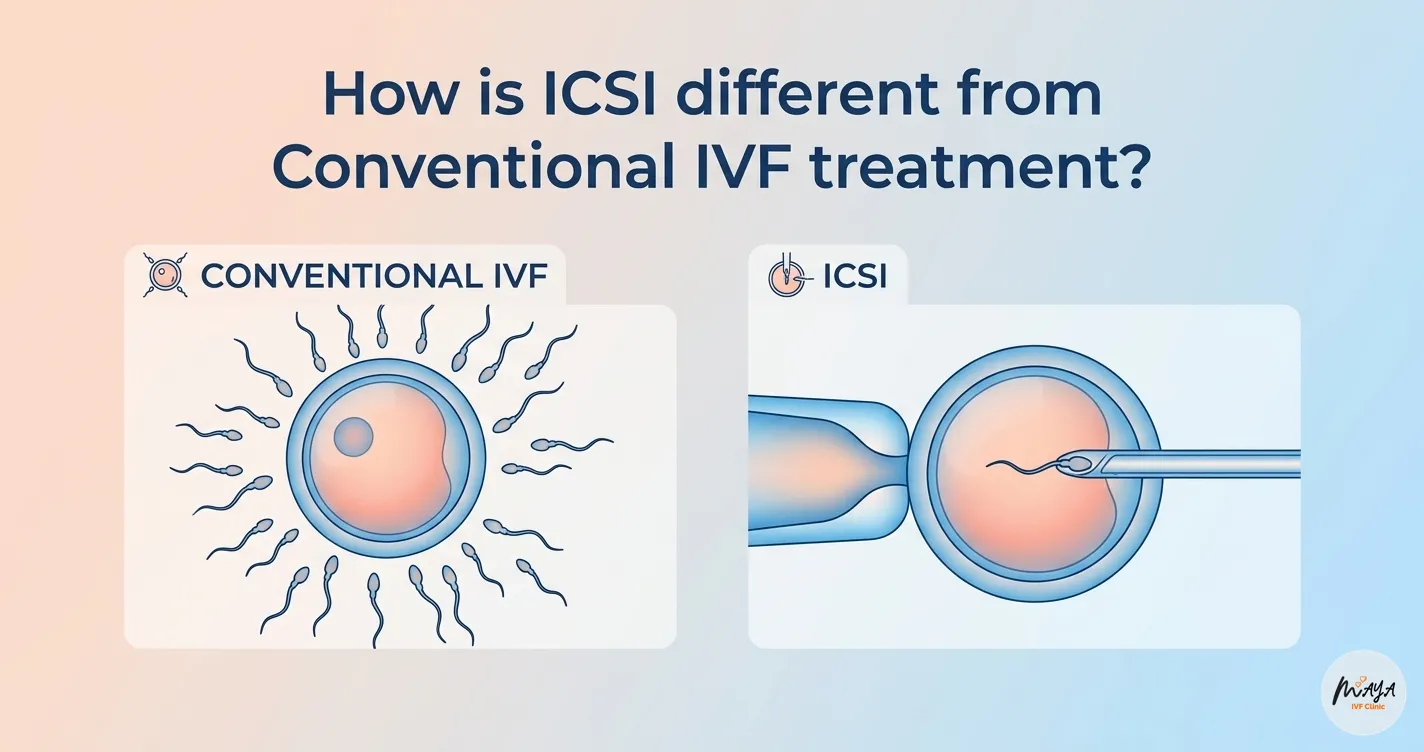
How is ICSI different from Conventional IVF treatm...
ICSI and Conventional IVF both are forms of assisted reproductive treatment (ART) in which eggs are...
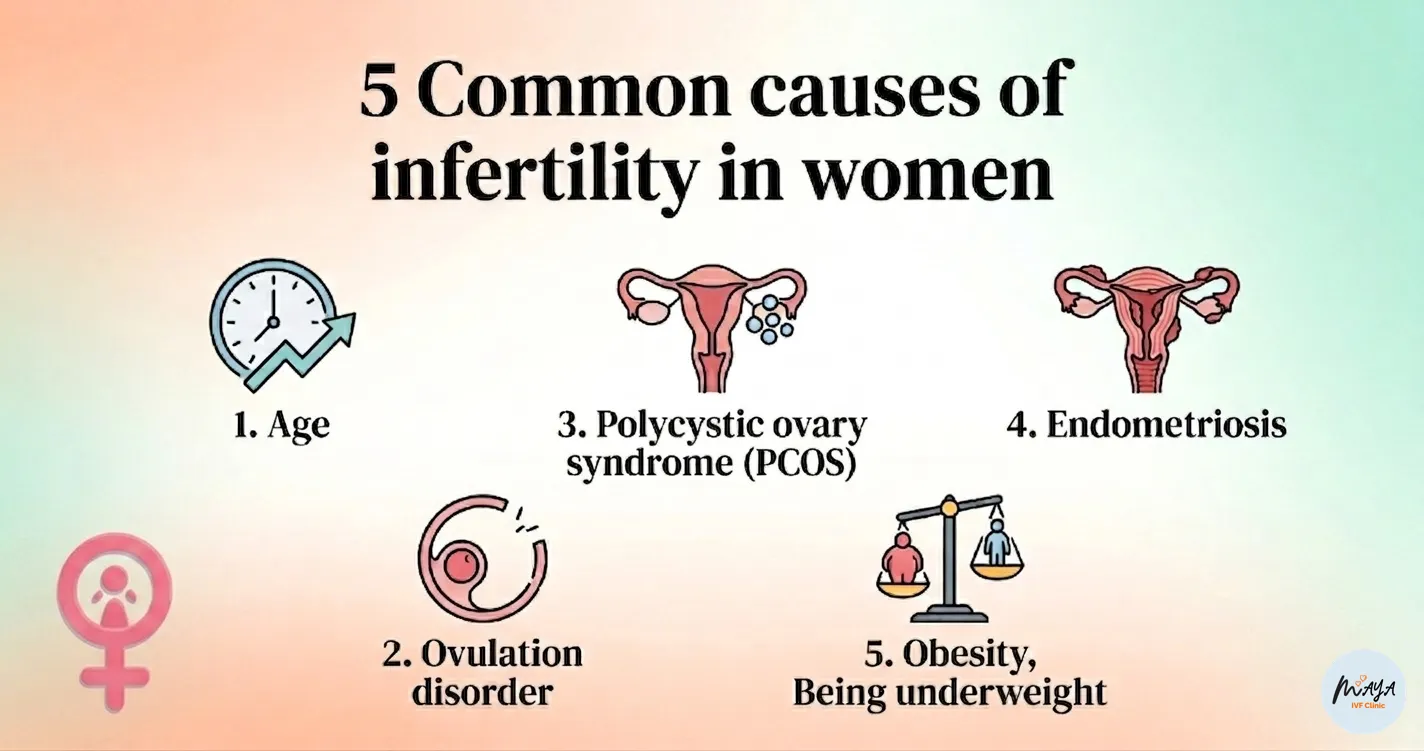
5 Common causes of infertility in women
A condition is diagnosed as infertility when a heterosexual couple is unable to conceive after one y...

 Nepal International Fertility and Laparoscopic Centre (NIFLC).
All rights reserved.
Nepal International Fertility and Laparoscopic Centre (NIFLC).
All rights reserved.