

A caring fertility specialist supporting a couple after recurrent miscarriage.
Blog Details
- Home
- Blog Details
Recurrent Miscarriage Treatment: Causes, Diagnosis, and IVF Support
Introduction
The medical term for two or more miscarriages is recurrent pregnancy loss. It is a very stressful and taxing experience for a couple who wishes to increase their family. It has also been noted that miscarriages tend to happen more frequently in the early stages of pregnancy. However, if recurring miscarriages happen, it is a sign that a medical investigation should be done to identify potential causes. The potential causes can be genetic problems in the fetus, hormonal problems, physical problems in the uterus, immune system problems, and lifestyle problems. In most cases, despite medical investigation and testing, the actual cause of recurring miscarriages can be hard to identify. It should be noted that recurring miscarriages do not necessarily mean that a couple is infertile. In fact, studies have shown that a significant number of couples who have recurring miscarriages eventually have a healthy child. This is especially true if they are given proper medical evaluation and support. The main purpose of medical evaluation for recurring miscarriages is to identify modifiable risk factors and guide management.
What is Recurrent Miscarriage?
Most people realize that one miscarriage is not uncommon and occurs in 10-15% of recognized pregnancies. However, if this occurs more than once consecutively, it is referred to as recurrent miscarriage. Change your point of view. Doctors may tell you that one miscarriage is probably a random genetic event. However, after two or three miscarriages, our mindset shifts. We stop thinking about bad luck and start to treat it as a medical problem that needs a personal approach.
Understanding Repeated Miscarriage Causes
To know what treatment is best for the patient, one must first know what is causing the problem. Often, recurring miscarriages are caused by a combination of factors and not one factor alone. The factors can be grouped into a few major causes:
Genetic Factors: Sometimes, one partner carries a “balanced translocation”—a rearrangement of chromosomes that doesn’t affect their health but makes creating a healthy embryo difficult.
Anatomical Issues: The shape of the uterus matters. A septum (a wall of tissue), fibroids, or scar tissue can prevent an embryo from implanting properly or restrict blood flow.
Hormonal Imbalances: Conditions like Polycystic Ovary Syndrome (PCOS) or thyroid disorders can disrupt the delicate hormonal environment needed to sustain a pregnancy.
Blood Clotting Disorders (Thrombophilias): Some women have blood that clots too easily. Tiny clots can form in the placenta, cutting off oxygen and nutrients to the growing baby.
Immune System Issues: In some cases, the mother’s immune system may mistakenly attack the embryo or placenta, viewing them as foreign invaders.
Who Should Seek Help
In case you have experienced two consecutive miscarriages, you should seek medical care immediately. Avoid waiting for a third miscarriage to occur before you seek medical care.
You will be referred to a specialist dealing with recurrent miscarriages. The aim is to find out possible causes for miscarriages, such as hormonal, genetic, or uterine disorders. It is essential to seek medical care early on after experiencing two miscarriages because this will help prevent another miscarriage and increase your chances of a successful pregnancy in the future.
The Diagnosis Process: Getting Answers
The diagnosis phase is the most critical part of recurrent pregnancy loss treatment. We do not guess; we investigate. A thorough evaluation typically takes about one menstrual cycle and includes:
Detailed Medical History: We review your full medical history, including prior pregnancies, family history of blood clots, and any chronic illnesses.
Blood Work: This is comprehensive. We check hormone levels (thyroid, prolactin), blood sugar (for PCOS), and specific antibodies to test for clotting disorders (like antiphospholipid syndrome).
Genetic Karyotyping: A simple blood test for both partners to look at their chromosome structure.
Imaging (Hysteroscopy or Sonohysterogram): While a standard ultrasound gives a glimpse, a 3D ultrasound or a hysteroscopy (a camera inserted into the uterus) gives us a detailed map of the uterine cavity to look for polyps, fibroids, or scar tissue.
Personalized Treatment Options
There is no “one size fits all” pill for recurrent miscarriage. The treatment depends entirely on what we find during the diagnosis. Here is how we typically address the root causes:
For Anatomical Issues: If a uterine septum or fibroid is found, a minor surgical procedure called a hysteroscopy can remove it. This is an outpatient procedure that significantly improves the chances of a healthy pregnancy by giving the embryo a clean, well-vascularized place to grow.
For Blood Clotting Disorders: If you test positive for antiphospholipid syndrome or another thrombophilia, treatment usually involves a combination of low-dose aspirin and blood-thinning injections (Lovenox) started once pregnancy is confirmed. This is often the “magic bullet” for these patients.
For Hormonal Imbalances: We optimize thyroid levels with medication and manage insulin resistance (common in PCOS) with medication like metformin to ensure the uterine lining is receptive.
IVF After Miscarriage: A Powerful Tool
In fact, for many couples who are concerned about genetics or who have had failed treatments in the past, IVF after miscarriage can provide a sense of control over the situation. So, why bother with IVF at all, especially when the possibility of a natural pregnancy exists? The reason we recommend IVF after miscarriage is the singular technology we can employ to help our patients achieve a successful pregnancy.
In the world of IVF after miscarriage, we can create multiple embryos in the lab, but before we transfer the embryo into the uterus, we can test the embryo to ensure that the chromosome count is correct. We know that miscarriages can be caused by several different factors, but a common reason for miscarriage is a problem with the chromosome count in the embryo. If you are considering a fertility procedure after a miscarriage, the combination of IVF and PGT-A can help reduce the likelihood of another miscarriage, allowing you to have the best possible chance of a successful pregnancy.
For couples who have experienced unsuccessful IVF cycles in the past, understanding the underlying reasons behind treatment failure can be equally important. Learn more about the common causes, diagnostic approaches, and potential solutions in our guide to repeated IVF failures.
Chances of Successful Pregnancy
It is natural to have concerns that your body is not capable of carrying a baby. However, if you receive the proper care, the statistics are in your favor. With proper care and treatment for recurrent miscarriages, the vast majority of patients can have a healthy baby. If you are receiving treatment, whether surgical, medical, or IVF with genetic testing, the percentage of live birth success rates varies between 60 and 80 percent. The goal is not to simply have another baby, but to have a healthy baby.
Our Clinic Approach: Partnership, Not Protocol
When you come to us, you are not just a medical file. We understand that the anxiety of a new pregnancy after loss can be just as difficult as the loss itself.
Our approach is built on three pillars:
Thorough Investigation: We do not stop until we have a clear picture of what is happening.
Compassionate Care: We monitor early pregnancies closely. Seeing a patient weekly in the first trimester to watch the heartbeat and reassure them is standard practice for us.
Collaboration: We work with maternal-fetal medicine specialists (high-risk OBGYNs) to ensure that once you graduate from our care, your pregnancy is managed safely.
Frequently Asked Questions
Do I need to see a specialist after two miscarriages, or should I wait for three?
We strongly recommend seeing a specialist after two consecutive miscarriages. Waiting for a third loss delays treatment and exposes you to unnecessary emotional trauma. Early investigation allows us to implement a plan before you try to conceive again.
Can stress cause recurrent miscarriage?
While stress is not good for overall health, it is rarely the sole cause of recurrent miscarriage. Miscarriages are almost always due to genetic, anatomical, hormonal, or immunological factors. Do not blame yourself. Your focus should be on finding the medical root cause, not eliminating stress.
Is IVF the only option for recurrent miscarriage?
No, IVF is not the only option. If the cause is anatomical (like a septum) or a hormonal imbalance, surgery or medication alone may be sufficient. IVF with genetic testing is typically recommended when the cause is related to the embryo’s genetic makeup, the mother’s age, or when previous treatments have failed.
Will I need bed rest if I get pregnant again?
Bed rest is rarely prescribed as a treatment for preventing miscarriage. In fact, prolonged bed rest can have negative health effects. Instead, we focus on medical management, such as blood thinners or progesterone support, to create a hospitable environment for the baby. We will support you with a clear, active plan.
Our Latest Blogs

Infertility Myths and Facts in Nepal: What Couples...
Quick AnswerInfertility affects an estimated 1 in 6 people globally during their reproductive years,...
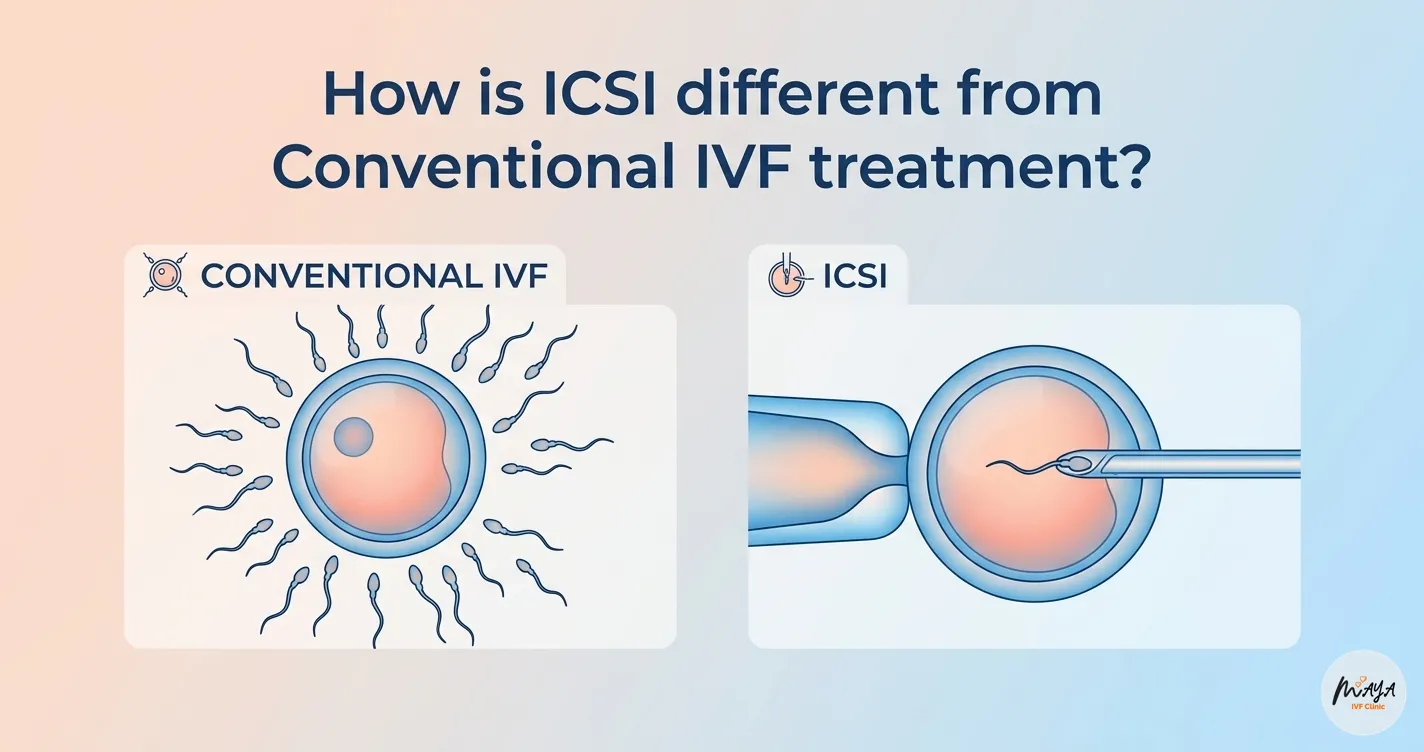
How is ICSI different from Conventional IVF treatm...
ICSI and Conventional IVF both are forms of assisted reproductive treatment (ART) in which eggs are...
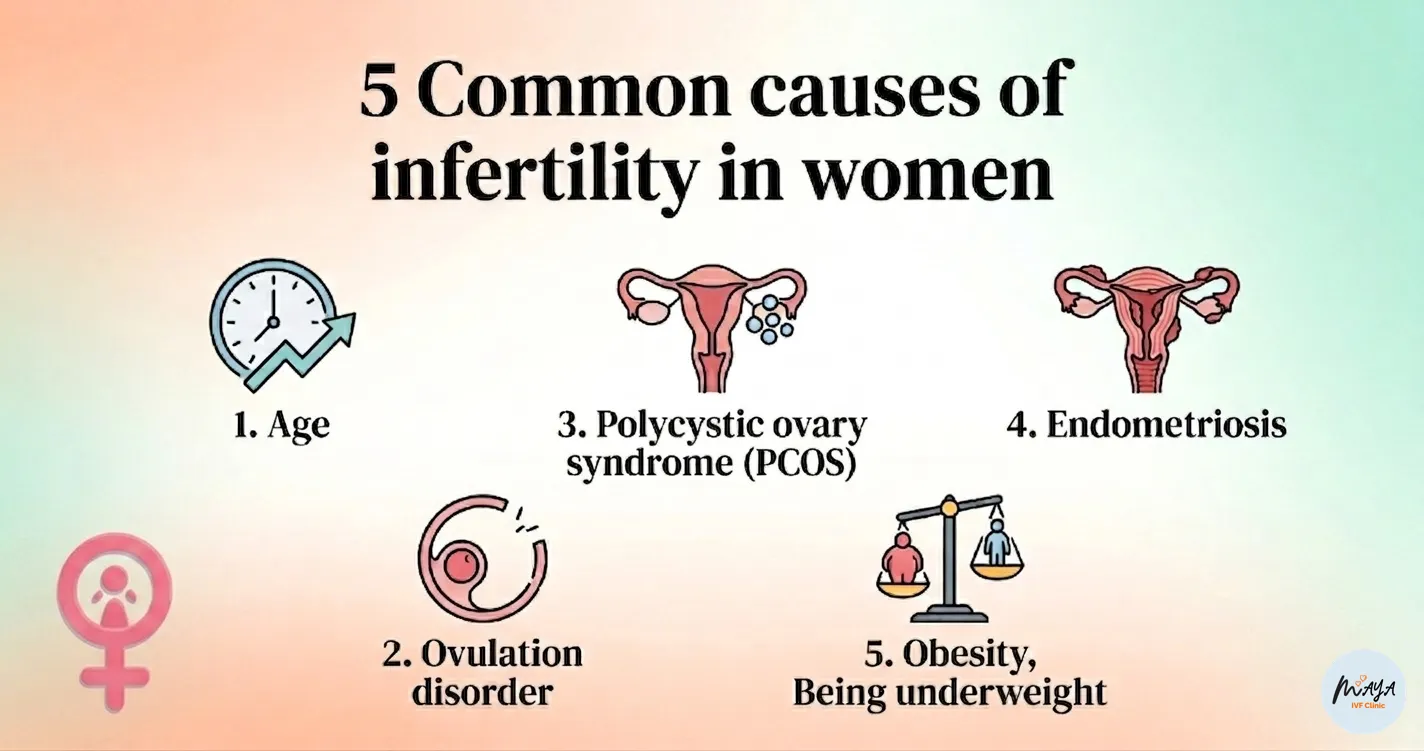
5 Common causes of infertility in women
A condition is diagnosed as infertility when a heterosexual couple is unable to conceive after one y...

 Nepal International Fertility and Laparoscopic Centre (NIFLC).
All rights reserved.
Nepal International Fertility and Laparoscopic Centre (NIFLC).
All rights reserved.