

A couple consulting a fertility specialist after previous IVF attempts to explore new treatment options.
Blog Details
- Home
- Blog Details
Repeated IVF Failures: Causes, Solutions & How to Improve Success
Repeated IVF failures can feel like an emotional battle that never seems to end. If you’re reading this, chances are you’ve already gone through injections, scans, endless waiting, and quiet hope, only to hear the heartbreaking words “Not pregnant.” While one failed cycle is painful, repeated IVF failures can leave you feeling exhausted, confused, and even questioning your own body despite doing everything right. These feelings are completely valid, and you are not alone in this journey. What many couples don’t realize is that repeated IVF failures are often not just bad luck but a sign of an underlying issue that hasn’t been fully identified yet. The good news is that once these hidden causes are understood, the chances of success can improve significantly. Many couples who once faced multiple failures have eventually achieved pregnancy by changing their approach and addressing the real problem.
What Are Repeated IVF Failures
Repeated IVF failures (also known as recurrent implantation failure or RIF) generally mean that a woman has undergone at least 2–3 IVF cycles with good-quality embryos transferred, yet a pregnancy has not been achieved.
It’s understandably frustrating and emotionally taxing. You have done everything "right," yet the embryo did not implant, or you suffered a very early miscarriage.
But here is the critical thing to understand: IVF failure is rarely random bad luck when it happens multiple times. Usually, there is an underlying factor that prevents a successful pregnancy. Once we find that factor, we can fix it.
Why Do Repeated IVF Failures Happen
When asking "why IVF fails multiple times," most people blame the egg quality or the embryo. While that is common, it is not the only answer. Repeated IVF failures usually fall into three buckets: embryo issues, uterine issues, or timing and immune issues.
Common Causes of Repeated IVF Failure
1. Embryo Genetic Abnormalities (Aneuploidy) Even if an embryo looks "beautiful" under a microscope, it might have the wrong number of chromosomes. These embryos either don’t implant or miscarry very early. This is the #1 cause of failure, especially for women over 35.
2. Uterine Cavity Issues: Think of the uterus as the "soil" and the embryo as the "seed." If the soil is rocky, the seed won’t grow.
Polyps or Fibroids: Benign growths blocking implantation.
Intrauterine Adhesions (Asherman’s Syndrome): Scar tissue from previous surgeries.
Chronic Endometritis: A silent infection/inflammation of the uterine lining.
3. Endometrial Receptivity (The "Window of Implantation"). Most clinics transfer embryos on day 5 or 6. But 15-30% of women have a "displaced window." Their uterus is not ready to accept the embryo on that specific day. This is a leading reason for IVF failure that is rarely tested in standard cycles.
4. Immune & Thrombophilia Disorders Sometimes, the mother’s immune system is too aggressive. It sees the embryo as a "foreign invader" and attacks it. Similarly, blood-clotting disorders can cut off the blood supply to the growing embryo.
Lifestyle Factors (The Minor Players)
While not the primary cause of repeated failures, these matters:
Uncontrolled thyroid disease (hypothyroidism).
Very low vitamin D levels.
Heavy smoking or high caffeine intake (>300mg/day).
The Impact of Repeated IVF Failures on Pregnancy Chances
Here is the bad news, but also the good news: Doing the same IVF cycle over and over again without changing anything will likely lead to the same result.
Repeated IVF failures reveal a hidden challenge: Your body is resistant to the standard cookie-cutter protocol.
However, the good news is profound. Once you identify the specific cause, your success rate often resets to the national average (50-60% per transfer) or higher. You are not "used up" by previous failures. You are simply gathering data.
How We Diagnose Recurrent IVF Failure
To stop recurrent IVF failure, you need a "deep dive review." Standard clinics often stop at "bad luck." A specialist clinic digs deeper.
The Essential Testing Panel After Repeated Failures
Karyotyping (Genetic Testing for Parents): Checks if you or your partner carries a "balanced translocation" (chromosome rearrangement). If so, standard IVF won't work; you need PGT-SR.
ERA (Endometrial Receptivity Analysis): A biopsy of your lining to see if your window of implantation is shifted.
EMMA & ALICE (Microbiome Tests): Checks for good bacteria (Lactobacillus) and bad bacteria (chronic endometritis).
Hysteroscopy (Not Ultrasound): A camera goes into the uterus to see polyps, scar tissue, or septa that ultrasounds miss 100% of the time.
Recurrent Pregnancy Loss Panel (Blood work): Checks for lupus anticoagulant, anticardiolipin antibodies, and factor V Leiden.
Karyotyping (Genetic Testing for Parents): Checks if you or your partner carries a "balanced translocation" (chromosome rearrangement). If so, standard IVF won't work; you need PGT-SR.
ERA (Endometrial Receptivity Analysis): A biopsy of your lining to see if your window of implantation is shifted.
EMMA & ALICE (Microbiome Tests): Checks for good bacteria (Lactobacillus) and bad bacteria (chronic endometritis).
Hysteroscopy (Not Ultrasound): A camera goes into the uterus to see polyps, scar tissue, or septa that ultrasounds miss 100% of the time.
Recurrent Pregnancy Loss Panel (Blood work): Checks for lupus anticoagulant, anticardiolipin antibodies, and factor V Leiden.
Action Step: If your current doctor says "no tests needed" after two failures, seek a second opinion.
Treatment Options After Repeated IVF Failures
Once the diagnosis is made, the treatment becomes clear. Here are the specific recurrent IVF failure treatment strategies that work.
1. Advanced Embryo Selection (PGT-A)
Preimplantation Genetic Testing for Aneuploidy (PGT-A) screens embryos for missing or extra chromosomes. By transferring only a "Euploid" (normal) embryo, you cut the risk of failure by nearly 50%.
2. The "Natural Cycle" or "Modified Natural" IVF
For women with a displaced implantation window, standard medicated cycles flatten the uterine lining. A natural cycle uses your own hormones to let the uterus signal exactly when it is ready.
3. Endometrial Receptivity Array (ERA)
If the test shows you need an extra 24 hours of progesterone, your next transfer will be shifted by exactly one day. This simple fix is a miracle for many with repeated IVF failures.
4. Immunological Therapy (Intralipids / Steroids)
If you have high NK cells (natural killer cells), low-dose steroids or Intralipid infusions can calm the immune system to accept the embryo.
5. Surgical Correction
Removing polyps, fibroids, or scar tissue via hysteroscopy can increase implantation rates by 2-3x.
How to Improve IVF Success Rate (Actionable Tips)
You don’t have to wait for your doctor to do everything. Here is how to improve your IVF success rate starting today.
The 90-Day Rule:
An egg takes 90 days to mature. Start CoQ10 (ubiquinol), vitamin D, and a Mediterranean diet for three full months before the next arrival.
Clinic Shopping:
Not all labs are equal. Ask the lab director about their "fertilization rate" and "blastocyst conversion rate." High numbers mean a better embryology lab.
Ask for the "Kitchen Sink" Protocol:
If you have no diagnosis, ask for a cycle that includes baby aspirin, prednisone, and blood thinners (Lovenox). It is controversial, but for repeated IVF failures, it often helps.
Test the Uterus Before Transfer:
Insist on a mock transfer cycle with a hysteroscopy and ERA before you sacrifice another good embryo.
Emotional Support During the IVF Journey
We cannot fix the medical side without acknowledging the human side. Repeated IVF failures erode your identity. You may feel jealous of friends who "fall pregnant by accident." You may feel your partner doesn't understand.
Please hear this: Grief is not a disorder; it is a normal response to loss.
Therapy is a tool:
Find a therapist who specializes in infertility (ASRM directory). They can teach you "radical acceptance" to survive the waiting periods.
Set a "Stop Point":
Talk to your partner now. "We will try 3 retrievals. If we don't get a normal embryo, we will move to donor eggs or child-free living." Having a plan reduces the feeling of infinite limbo.
It is okay to take a break:
Skipping a month to go on vacation does not ruin your fertility; it saves your sanity.
When Should You Try IVF Again
The "when" depends on the reason for failure.
After a negative beta (no implantation):
You can try again next month, physically. But wait 2-3 months emotionally and diagnostically (do the tests first).
After a miscarriage:
Wait one natural cycle to let the uterine lining rebuild and hormone levels normalize.
After a hydrosalpinx (fluid in tubes) removal:
Wait 6-8 weeks for healing.
The Golden Rule: Do not start another cycle until you have a new plan. Doing the same protocol, expecting different results, is the definition of insanity. Change the clinic, change the drugs, or change the timeline.
Finding Hope After Repeated Loss
We cannot promise that the next cycle will work. But we can promise this: Understanding why IVF fails multiple times is the bridge to success. You have survived every hard day so far. You are stronger than you know. Whether your path leads to a biological child, a donor egg, or a beautiful life without children, you are a warrior.
Your Next Step: If you have experienced two or more failed transfers, do not sign up for a third until you have a copy of your medical records and a second opinion. Click here to learn more about advanced IVF treatment options or book a consultation with a reproductive immunologist.
Frequently Asked Questions (FAQ)
Why do repeated IVF failures happen if my embryos are "good quality"?
A "good quality" embryo graded by a microscope is just a beauty contest. Up to 40% of high-grade embryos are actually genetically abnormal. Additionally, the uterus might have inflammation (endometritis), or the timing might be off (window of implantation issue).
What should I do immediately after repeated IVF failures?
Do not jump into another cycle. Request a "Failure Analysis" appointment. Demand three tests: hysteroscopy (camera in uterus), ERA (timing test), and RPL blood panel (immune/clotting).
Can I get pregnant after multiple IVF failures?
Yes. Statistically, your chance of success in the next cycle only drops slightly after each failure, provided you change the treatment. Many live births occur in cycle #4, #5, or #6 after the real medical issue was finally corrected.
How many IVF failures are considered "repeated"?
Most fertility societies define it as the failure of 2-3 IVF cycles with good-quality embryos transferred. However, if you are under 35, doctors worry after 2 failures. If you are over 40, they may investigate after 1 failure.
Does stress cause repeated IVF failures?
No. This is a dangerous myth. While stress is awful for your quality of life, research shows that stressed women get pregnant at the same rate as calm women. Do not blame your feelings for a medical issue.
Is surrogacy the only option after repeated IVF failures?
Only if the uterus is permanently damaged (Asherman’s, adenomyosis, or absent uterus). For most women, surrogacy is a shortcut, not the only solution. Fix the uterine lining or the embryo's genetics first.
Our Latest Blogs

Infertility Myths and Facts in Nepal: What Couples...
Quick AnswerInfertility affects an estimated 1 in 6 people globally during their reproductive years,...
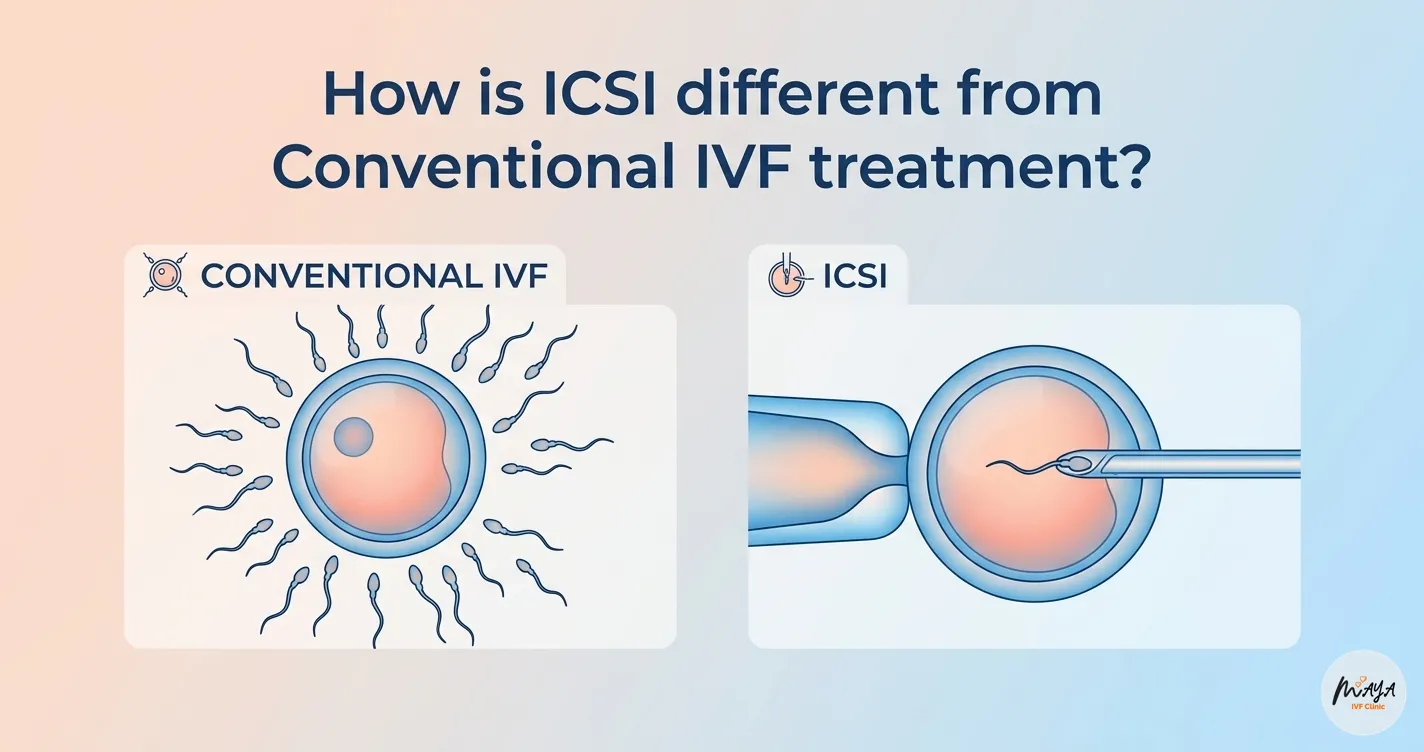
How is ICSI different from Conventional IVF treatm...
ICSI and Conventional IVF both are forms of assisted reproductive treatment (ART) in which eggs are...
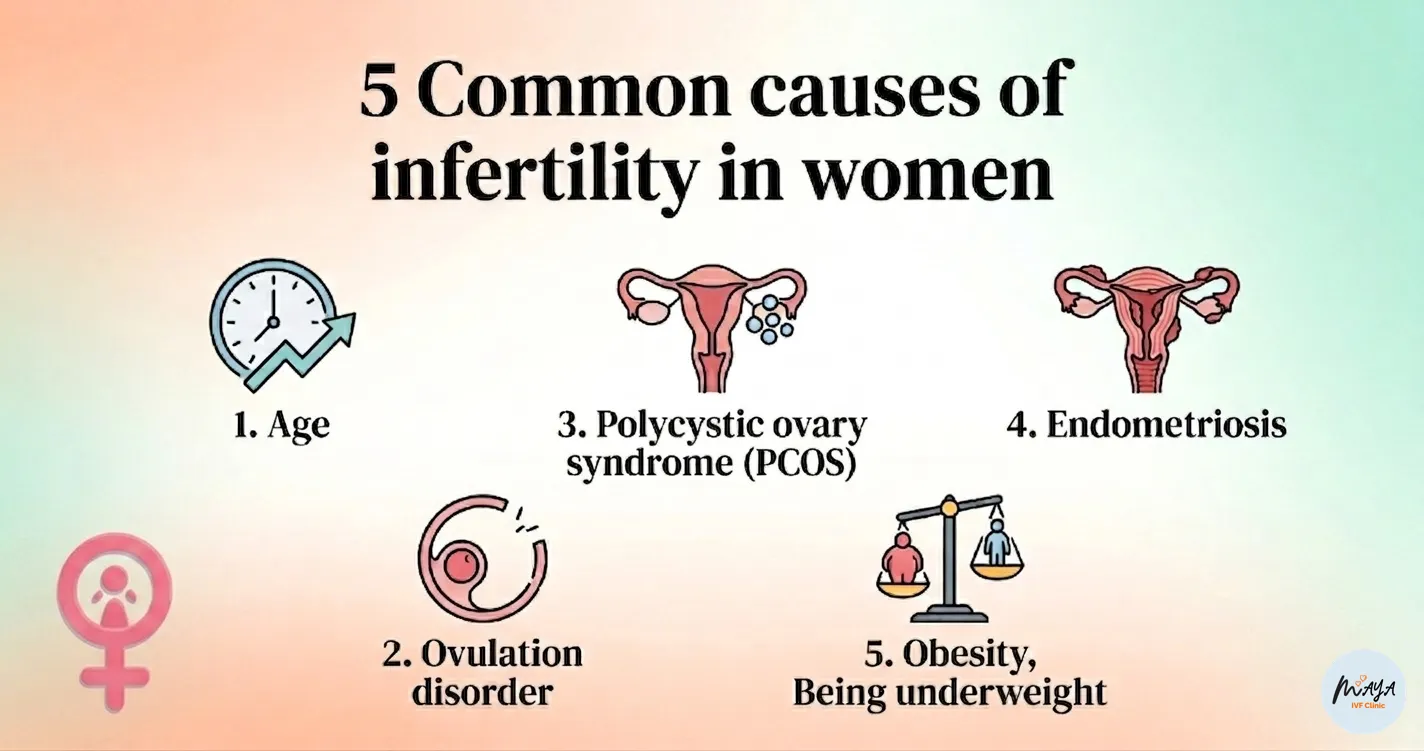
5 Common causes of infertility in women
A condition is diagnosed as infertility when a heterosexual couple is unable to conceive after one y...

 Nepal International Fertility and Laparoscopic Centre (NIFLC).
All rights reserved.
Nepal International Fertility and Laparoscopic Centre (NIFLC).
All rights reserved.