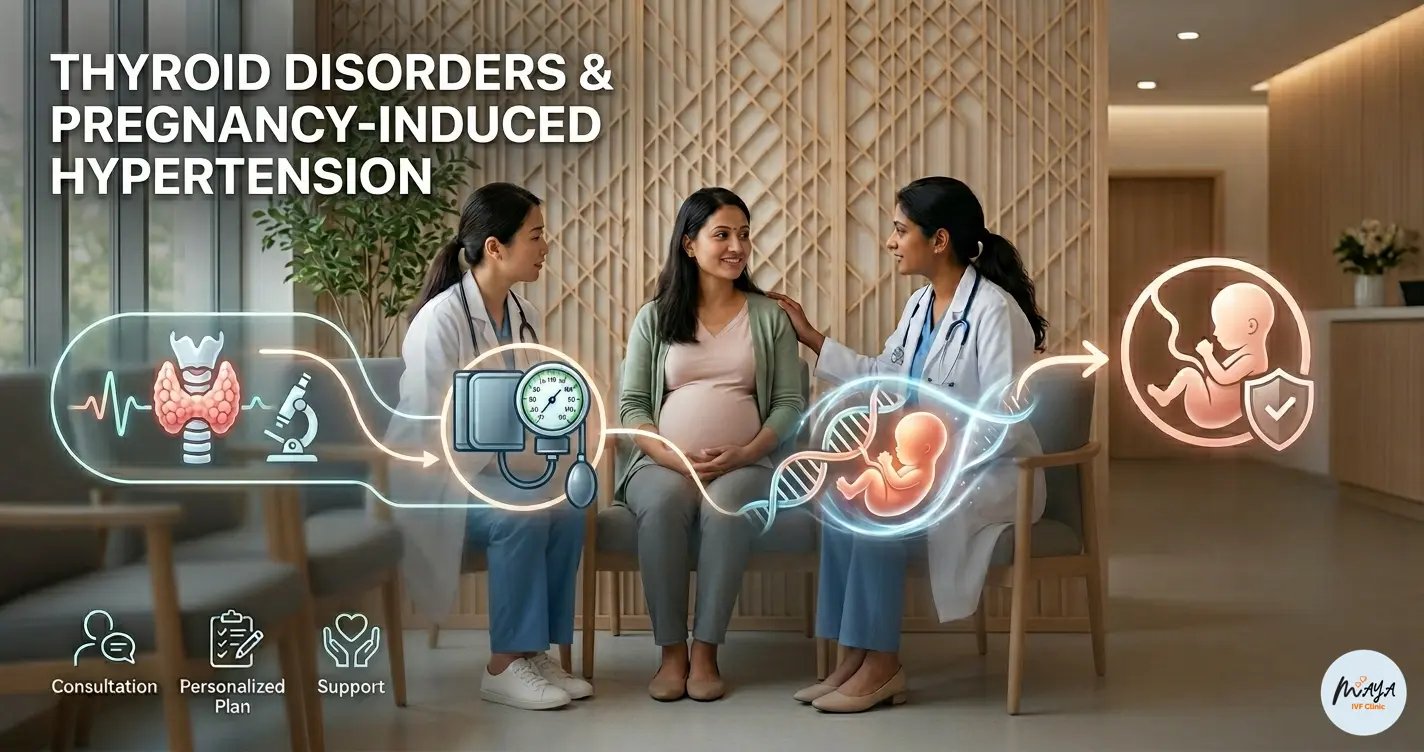
Thyroid Disorders and Pregnancy-Induced Hypertension: Risks, Symptoms & Treatment
Introduction
Pregnancy brings significant changes to a woman’s body, many of which are driven by hormones. Among these, the thyroid gland plays a crucial role in maintaining balance. When thyroid function is disrupted, it can influence several systems in the body—including blood pressure regulation.
One of the most concerning complications during pregnancy is pregnancy-induced hypertension (PIH). What many people do not realize is that thyroid disorders can increase the likelihood of developing high blood pressure during pregnancy, sometimes leading to more serious conditions such as preeclampsia. This article explains the connection between thyroid disorders and pregnancy-induced hypertension clearly and practically, helping you understand the risks, symptoms, diagnosis, and management strategies for a safer pregnancy.
Understanding Thyroid Disorders
The thyroid is a small gland located in the neck, but it has a powerful role in regulating metabolism, energy levels, and cardiovascular function. It produces hormones known as T3 (triiodothyronine) and T4 (thyroxine), which influence how the body uses energy and how organs function. During pregnancy, the demand for these hormones increases. If the thyroid cannot meet this demand or produces too much hormone, complications can arise.
Hypothyroidism
Hypothyroidism occurs when the thyroid does not produce enough hormones. This leads to a slowing down of bodily processes. Common symptoms include fatigue, weight gain, cold sensitivity, and dry skin. In pregnancy, hypothyroidism can interfere with normal hormonal balance and increase the risk of complications.
Hyperthyroidism
Hyperthyroidism is a condition where the thyroid gland produces excess hormones. This speeds up the body’s metabolism and places additional strain on the heart.
Symptoms may include rapid heartbeat, anxiety, weight loss, and heat intolerance. During pregnancy, hyperthyroidism can contribute to cardiovascular stress and elevated blood pressure.
What Is Pregnancy-Induced Hypertension?
Pregnancy-induced hypertension refers to high blood pressure that develops after 20 weeks of pregnancy in a woman who previously had normal blood pressure.
It is important to distinguish it from preeclampsia, which is a more severe condition involving high blood pressure along with signs of organ damage, such as protein in the urine.
Common symptoms of PIH include:
Persistent headaches
Swelling in the face and hands
Sudden weight gain
Visual disturbances
Persistent headaches
Swelling in the face and hands
Sudden weight gain
Visual disturbances
Although some women may not notice obvious symptoms, untreated hypertension can lead to serious complications for both mother and baby.
The Link Between Thyroid Disorders and Pregnancy-Induced Hypertension
The connection between thyroid function and blood pressure is well established. Thyroid hormones directly affect the cardiovascular system, including heart rate and the elasticity of blood vessels.
When thyroid hormone levels are abnormal, blood vessels may not relax properly. This increases resistance within the circulatory system, which can raise blood pressure.
Research indicates that women with hypothyroidism are at a higher risk of developing gestational hypertension and preeclampsia. Similarly, hyperthyroidism can lead to increased heart rate and cardiac output, which may also contribute to elevated blood pressure.
How Hypothyroidism Affects Pregnancy and Blood Pressure
Hypothyroidism is one of the more common thyroid disorders seen in pregnancy. If left untreated, it can have a significant impact on both maternal and fetal health.
Low thyroid hormone levels can lead to increased stiffness in blood vessels, making it harder for blood to flow efficiently. This can contribute to rising blood pressure levels.
In addition, hypothyroidism may reduce blood flow to the placenta. This exposure can affect the baby’s growth and increase the risk of low birth weight or developmental concerns.
Women with untreated hypothyroidism are also more likely to develop preeclampsia, a serious condition that requires immediate medical attention.
How Hyperthyroidism Impacts Pregnancy
Hyperthyroidism, while less common, can also pose risks during pregnancy. Excess thyroid hormones stimulate the heart, increasing heart rate and cardiac workload.
This heightened cardiovascular activity can lead to elevated blood pressure and increase the risk of complications such as preterm birth.
In severe cases, untreated hyperthyroidism can lead to a condition known as thyroid storm, which is a medical emergency characterized by extremely high hormone levels and severe symptoms.
Symptoms You Should Not Ignore
Because many symptoms of thyroid disorders overlap with normal pregnancy changes, it is important to pay attention to patterns and severity.
Signs of thyroid imbalance may include persistent fatigue, unusual weight changes, and irregular heart rate. These symptoms should not be dismissed, especially if they appear suddenly or worsen over time.
Symptoms of pregnancy-induced hypertension, such as severe headaches, blurred vision, and swelling in the face or hands, require prompt medical evaluation.
Early recognition is key to preventing complications.
Diagnosis and Monitoring
Accurate diagnosis begins with simple blood tests that measure thyroid hormone levels, including TSH, T3, and T4. These tests help determine whether the thyroid is functioning normally.
Blood pressure should be monitored regularly throughout pregnancy. Even slight increases should be tracked carefully, particularly in women with known thyroid conditions.
In high-risk cases, additional tests such as urine analysis, ultrasound scans, and organ function tests may be recommended to assess overall health and detect early signs of complications.
Treatment and Medical Management
The excellent news is that proper medical care can effectively manage both thyroid disorders and pregnancy-induced hypertension.
For hypothyroidism, doctors typically prescribe therapy that replaces thyroid hormone. This medication helps restore normal hormone levels and supports a healthy pregnancy.
Hyperthyroidism may require medications that reduce hormone production. Treatment plans are carefully adjusted to ensure safety for both mother and baby.
Blood pressure can be managed with pregnancy-safe medications, along with regular monitoring. Doctors may also recommend lifestyle adjustments to support overall health.
Diet and Lifestyle Considerations
Nutrition plays an important role in managing both thyroid health and blood pressure.
A balanced diet that includes iodine, selenium, and essential nutrients supports thyroid function. At the same time, reducing sodium intake and staying hydrated can help maintain healthy blood pressure levels.
Regular light exercise, such as walking, can improve circulation and reduce stress. Adequate rest is equally important, as fatigue can worsen hormonal imbalance.
Lifestyle changes should always be guided by a healthcare professional to ensure safety during pregnancy.
Risks to Mother and Baby
If not properly managed, thyroid disorders and pregnancy-induced hypertension can lead to serious complications.
For the baby, risks include delayed growth, low birth weight, and preterm delivery. Thyroid hormones are also essential for brain development, making proper regulation critical.
For the mother, complications may include organ damage, increased risk of cesarean delivery, and long-term cardiovascular issues.
These risks highlight the importance of early detection and consistent medical care.
Prevention and Early Care
Preventive care begins even before pregnancy. Women who are planning to conceive should consider thyroid screening, especially if they have a history of hormonal issues. Additionally, evaluating fertility health is important, as conditions such as low ovarian reserve can affect reproductive outcomes and pregnancy planning.
During pregnancy, regular prenatal checkups are essential. These visits allow healthcare providers to monitor both thyroid function and blood pressure, and they ensure that any changes are addressed promptly. Early intervention significantly reduces the risk of complications and supports a healthier pregnancy outcome.
Frequently Asked Questions
Can thyroid problems cause high blood pressure during pregnancy?
Yes, thyroid imbalances can affect blood vessel function and increase the likelihood of elevated blood pressure.
Is it safe to be pregnant with a thyroid disorder?
With proper diagnosis and treatment, most women with thyroid conditions can have a healthy pregnancy.
Are thyroid medications safe during pregnancy?
When prescribed and monitored by a doctor, these medications are considered safe and necessary.
What happens if thyroid problems are left untreated?
Untreated thyroid disorders can increase the risk of complications such as preeclampsia, preterm birth, and developmental issues in the baby.
Our Latest Blogs
Infertility Myths and Facts in Nepal: What Couples...
Quick AnswerInfertility affects an estimated 1 in 6 people globally during their reproductive years,...
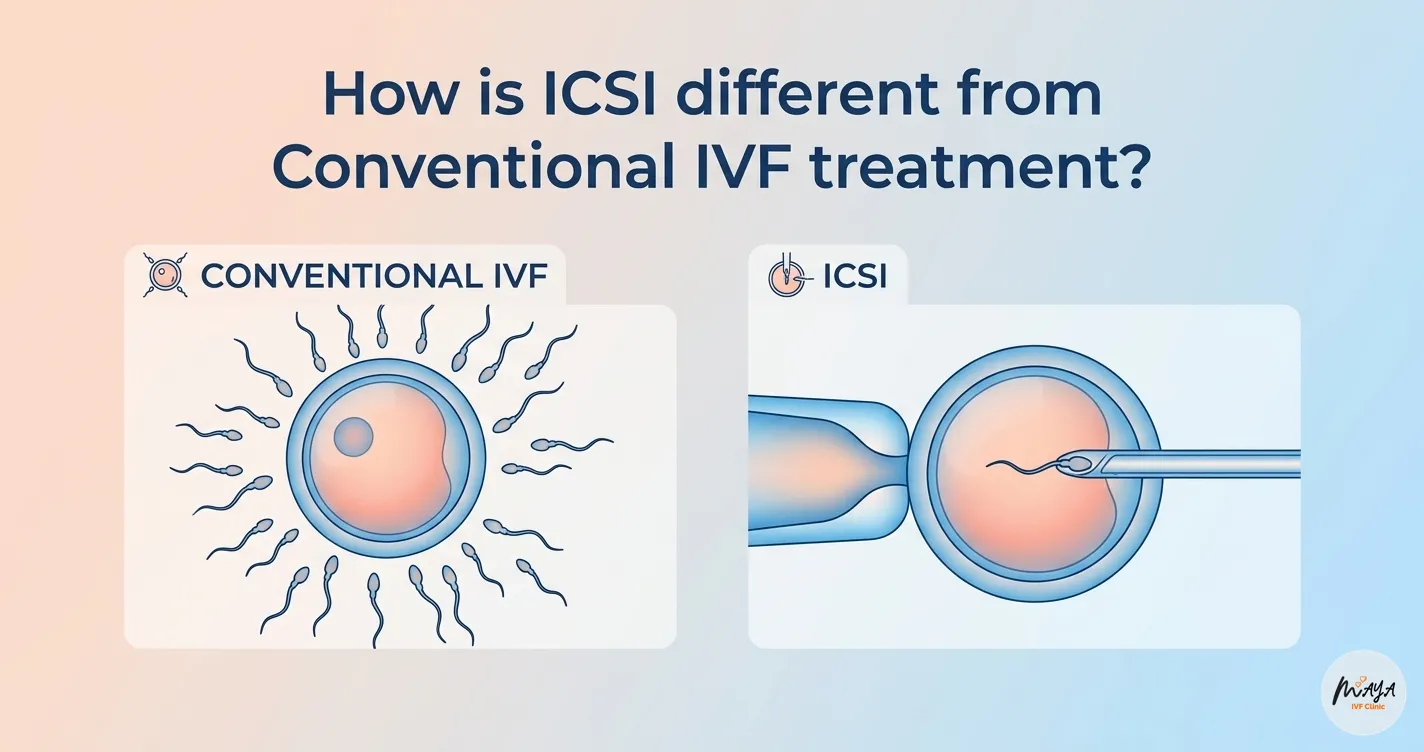
How is ICSI different from Conventional IVF treatm...
ICSI and Conventional IVF both are forms of assisted reproductive treatment (ART) in which eggs are...
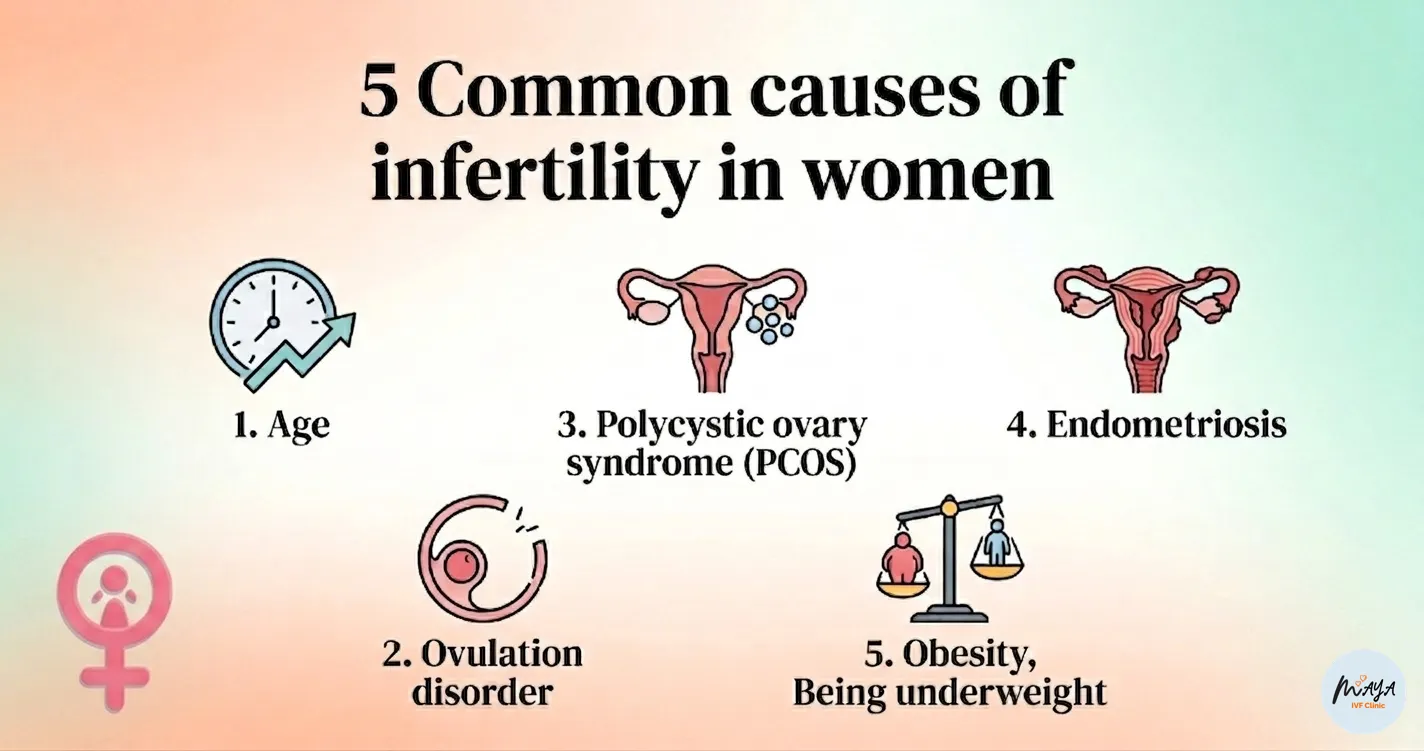
5 Common causes of infertility in women
A condition is diagnosed as infertility when a heterosexual couple is unable to conceive after one y...
 Nepal International Fertility and Laparoscopic Centre (NIFLC).
All rights reserved.
Nepal International Fertility and Laparoscopic Centre (NIFLC).
All rights reserved.